Introduction
Fire can wreak havoc on a property, leaving behind not just charred remnants but also a breeding ground for mold. In Denver, where the climate can be humid at times, fire restoration becomes an intricate dance between recovering from the immediate damage and preventing mold growth. This article explores the critical role of mold prevention in fire damage restoration, drawing insights from experts in fire restoration Denver, CO.
The Role of Mold Prevention in Fire Damage Restoration
When dealing with fire damage in Denver, CO, it’s essential to understand that mold is more than just an aesthetic issue; it's a health hazard. Mold spores can begin to develop within 24-48 hours after water exposure, which often occurs during firefighting efforts. Therefore, mold prevention should be at the forefront of any fire restoration plan.
Understanding Fire Damage and Its Implications
What Happens During a Fire?
During a fire, various materials burn and release particulates into the air. Alongside smoke damage, structural elements may weaken or collapse. Even after the flames are extinguished, residual moisture—either from firefighting efforts or inherent humidity—can create an ideal environment for mold growth.
The Threat of Water Damage
One of the first steps following a fire is assessing water damage caused by firefighting efforts. If water remains stagnant or is not adequately dried, it can lead to extensive mold issues down the line.
Why Mold Prevention Matters in Fire Restoration
Health Risks Associated with Mold
Mold exposure poses serious health risks including respiratory problems, allergic reactions, skin irritations, and more severe conditions like asthma attacks.
Mold Types Commonly Found After Fires
Aspergillus: Often found in homes and poses risks to those with weakened immune systems. Cladosporium: Can thrive on damp surfaces and provoke allergies. Stachybotrys (Black Mold): Considered highly toxic and often linked with significant water damage.Financial Implications of Ignoring Mold Prevention
Ignoring mold prevention during fire restoration can lead to costly remediation efforts later on. Homeowners might face expensive repairs if structures need to be replaced due to significant mold infestations.
Key Steps for Effective Mold Prevention Post-Fire
1. Immediate Damage Assessment
Conducting a thorough assessment right after the fire is crucial. This includes identifying areas affected by both fire and water damage.
2. Water Removal Techniques
Implement effective water removal techniques quickly:
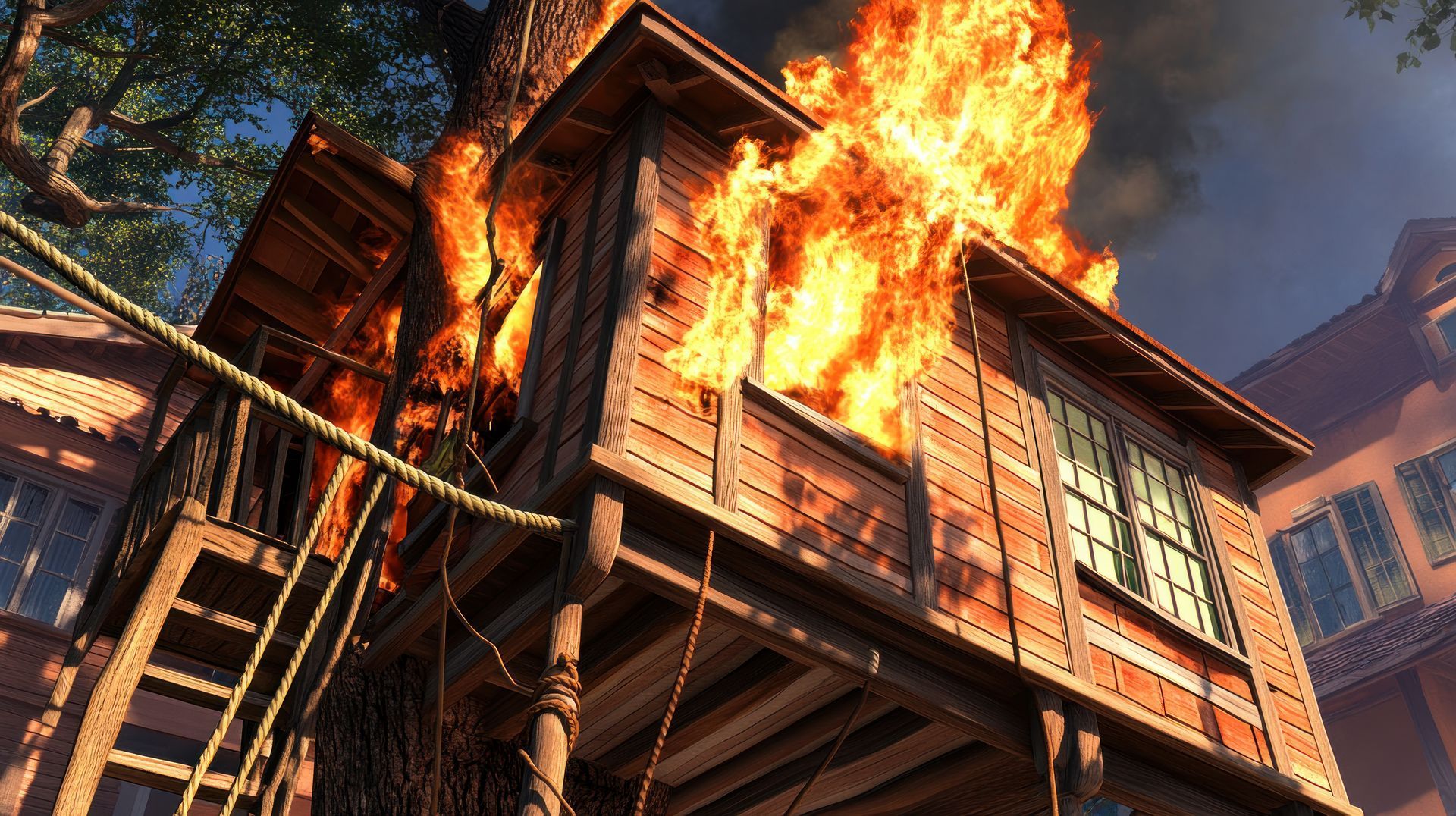
- Use industrial pumps for substantial flooding. Employ dehumidifiers to reduce moisture levels.
3. Thorough Drying Procedures
After removing visible water, ensure every space dries completely:
- Open windows when possible. Utilize fans strategically placed throughout the property.
4. Cleaning and Sanitizing Affected Areas
Cleaning smoke-damaged materials helps prevent further complications:
- Use specialized cleaning agents designed for soot removal.
Long-Term Mold Prevention Strategies
5. Regular Inspections Post-Restoration
Even after restoring your fire restoration company property post-fire, regular inspections can catch latent mold growth early.
Engaging Professionals for Periodic Checks
Hiring experts from a reputable restoration Fire Restoration Company Denver, CO ensures peace of mind through professional evaluations.
6. Improving Ventilation Systems
Improving ventilation reduces moisture levels:
- Inspect HVAC systems regularly. Use exhaust fans in bathrooms and kitchens.
The Importance of Professional Help in Fire Restoration
While some homeowners may attempt DIY methods for both fire cleanup and mold prevention, enlisting professionals brings several advantages:
Expertise in Handling Complicated Scenarios
Fire restoration experts know how to handle all nuances involved in both recovering from fires and preventing future issues like mold.
Use of Advanced Technology
Professionals use specialized equipment such as thermal imaging cameras to detect hidden moisture pockets that could foster mold growth.
FAQs about Mold Prevention in Fire Damage Restoration
1. How quickly does mold grow after a fire?
Mold can start growing within 24-48 hours if moisture is present.
2. What are common signs of mold presence?
Look out for musty odors, discoloration on walls or ceilings, and visible spots that indicate growth.
3. Can I remove small amounts of mold myself?
While minor patches can sometimes be cleaned with appropriate solutions, extensive infestations require professional remediation services.
4. How do I choose a reliable fire restoration company?
Research companies online for reviews and ask about their certifications and previous work experience related to both fire damage and mold prevention.
5. What role does insurance play?
Most homeowners’ insurance policies cover fire damages but check details regarding coverage for subsequent mold damages as well.
6. Is it wise to risk DIY cleanup?
Considering the potential health hazards associated with both smoke damage and molds, it's advisable to hire professionals rather than risk doing it yourself.
Conclusion
In summary, preventing mold during fire restoration is not just an option; it's a necessity—especially here in Denver where environmental factors come into play post-fire incidents. By understanding how moisture interacts with damaged structures and by employing proper strategies through professional help from companies specializing in fire restoration Denver, CO residents can safeguard their homes against potentially harmful mold infestations long before they become problematic. So remember: when it comes to preserving your property’s integrity after a devastating event like a house fire—mold prevention should always take center stage!
This article encapsulates vital information surrounding the topic while maintaining an engaging tone suitable for readers seeking knowledge about "The Role of Mold Prevention in Fire Damage Restoration: Insights from Denver Experts".